Abstraction and Form: Exploring the Limits of Photography
How basic elements — line, shape, and texture — can create powerful visual narratives, moving beyond literal representation.
In the search for the essence of an image, the artistic photographer often faces the question: how far can you go from the recognizable subject? This exploration of abstraction does not mean abandoning meaning, but translating it into a purely visual language.
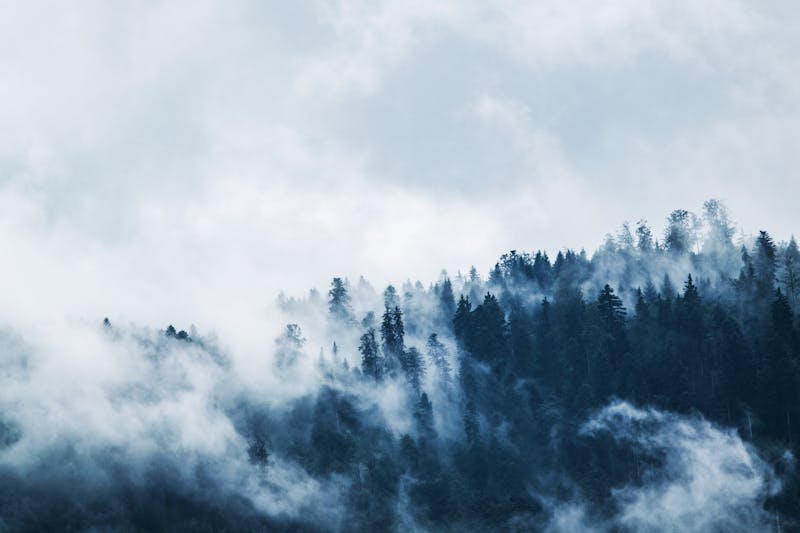
From Representation to Symbol
Abstraction in photography does not appear out of nothing. It starts from a real subject — a crack in concrete, a water trail on glass, the shadow of a branch. The artist's role is to isolate that fragment, amplify it, and transform it into a symbol. The line between two surfaces becomes a philosophical frontier; the texture of a worn stone transforms into a map of time.
Technique plays a secondary role here. It is more about vision and selection. Sometimes, the most powerful abstract image is captured with the simplest setting, focusing exclusively on framing and the right moment of light.
The Power of Simplification
A key principle in this approach is reduction. Eliminating redundant details to highlight the relationship between shapes, contrasts, and negative spaces. Negative space, often neglected, becomes the protagonist. It defines the main shape, offering visual breathing room and tension.
This simplification is not synonymous with a lack of complexity. On the contrary, an apparently simple frame can carry a rich layering of meanings, inviting the viewer to a slower, more attentive contemplation.
“Abstract photography does not show things as they are, but as they relate to each other within an autonomous visual universe.”
In the end, abstract exploration is an introspective journey for the artist and one of discovery for the viewer. It expands the visual vocabulary of photography, demonstrating that the power of an image often lies in what it suggests, not just in what it presents.