The Art of Light: Shaping Emotions Through Shadow and Light
Light is not just a technical condition in photography; it is a subtle language that shapes the atmosphere, defines forms, and conveys deep emotional states. This post explores how the photographer can use the quality, direction, and intensity of light as a primary creative tool.
The Qualities of Light: From Hard to Diffused
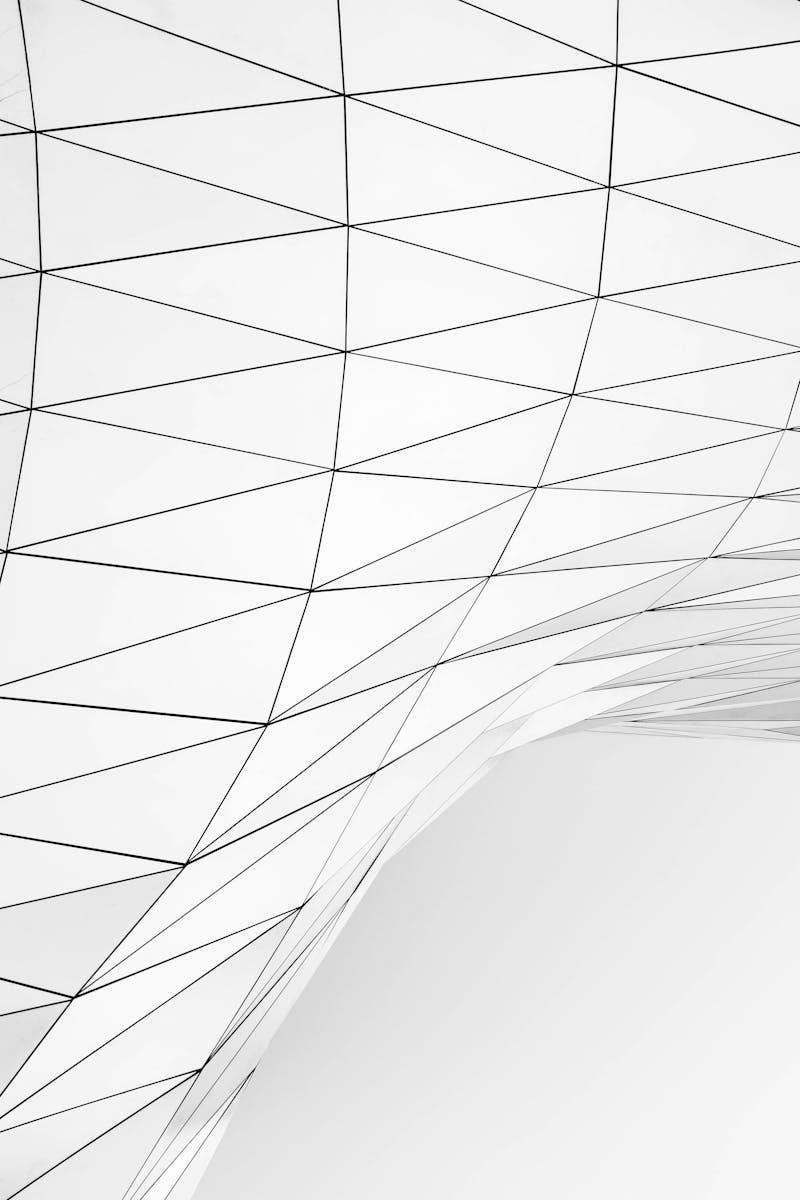
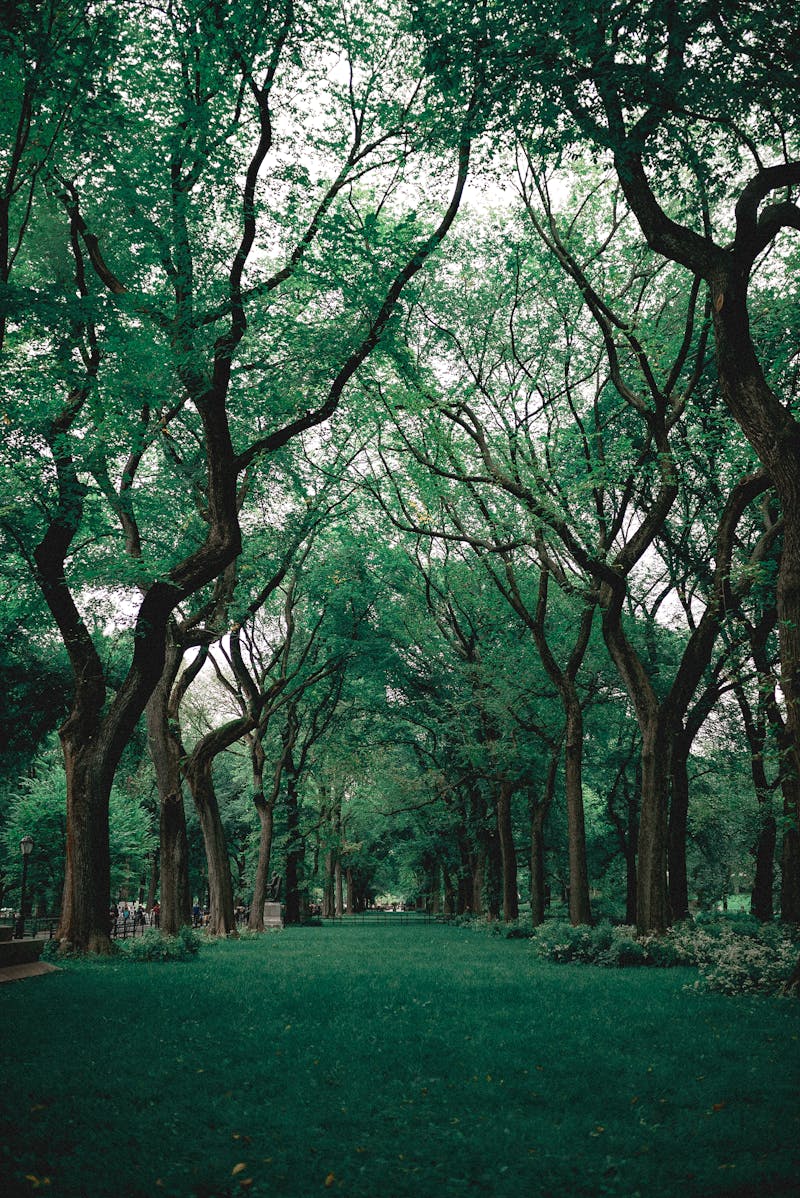
Hard light, with well-defined shadows and strong contrast, brings harsh details to the foreground and creates a sense of drama. It is ideal for architectural subjects or portraits that explore character. Conversely, diffused light, found on an overcast day or through a diffuser, envelops the subject in a uniform softness, perfect for delicate nuances and contemplative atmospheres.
Angle as Narrator
The direction from which light comes completely changes the story of an image. Frontal light almost completely eliminates shadows, offering a clear and direct representation. Side light, however, sculpts form, highlighting texture and depth. Backlight, coming from behind the subject, creates mysterious silhouettes or halo effects, inviting the viewer to interpret more than they see.
Artificial Light: Painting with a Beam
In the studio, control over light is absolute. The photographer becomes a painter, using reflectors, snoots, and color gels to "paint" precise scenes. This freedom allows for the construction of completely new realities, from the minimalist lighting of an object to complex sets that mimic natural phenomena or dreamlike states.
"The light you choose is the first and most important compositional decision. It doesn't just show the subject, it defines it."
Exploring light is a continuous process of learning and experimentation. We encourage every photographer to spend time observing light in everyday life, to experiment with different sources and angles, and to develop an intuitive sense for how this fundamental force can be embraced to tell unique visual stories.